Funded under the National Recovery and Resilience Plan (NRRP), Mission 4 Component 2 Investment 1.3, Theme 10.



Features
Pasta in Italian cuisine: what research tells us about a familiar food
For World Pasta Day, OnFoods explored the place of pasta in the guide to Italian cuisine promoted by the Italian Ministry of Foreign Affairs and International Cooperation, with the scientific collaboration of the OnFoods Foundation.
Published: October 26, 2026
Share:
25 October was World Pasta Day. It was a moment to consider one of the most recognisable foods in Italian cuisine, and to look beyond its familiarity. Pasta is part of everyday meals across the country, yet its significance is not simply a matter of tradition or individual ingredients. Its nutritional role depends on the meals in which it appears and the wider dietary pattern of which it forms part.
“We were delighted to take part in World Pasta Day, which provided a valuable opportunity to highlight the Handbook on Italian Cuisine: Scientific Evidence and Health Benefits, promoted by the Italian Ministry of Foreign Affairs and International Cooperation (MAECI), with the scientific collaboration of the OnFoods Foundation.”
Professor Patrizia Riso, Full Professor of Human Nutrition, Department of Food, Environmental and Nutritional Sciences, University of Milan
The publication brings together evidence on the relationship between Italian cuisine, diet and health. Its chapter on pasta is one part of a broader guide covering distinctive ingredients, meal composition, preparation and cooking methods, seasonality, biodiversity, conviviality and different stages of life.
The guide does not treat pasta as a food with health effects that can be assessed in isolation. Instead, it considers how pasta fits into a varied diet inspired by the principles of the Mediterranean Diet. This distinction matters: the quality of a meal depends on the foods brought together, their proportions and how they are prepared.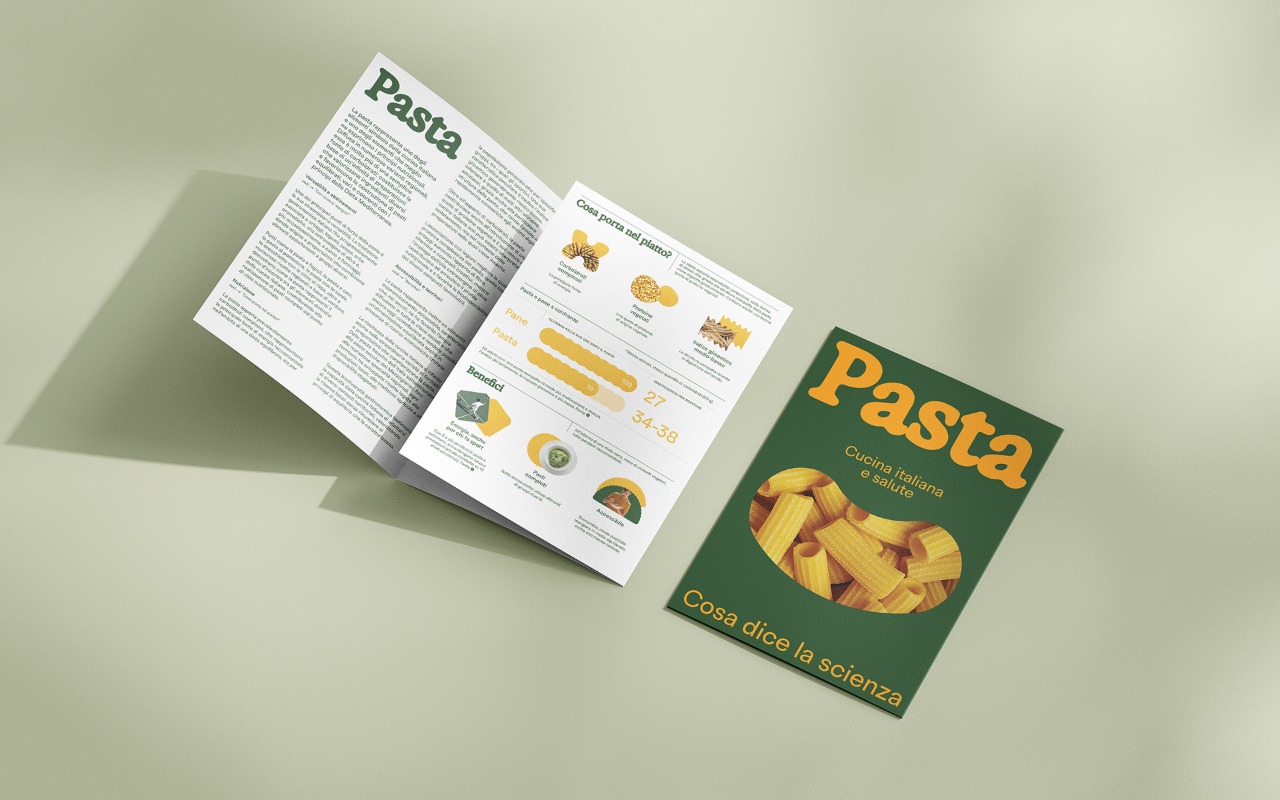
Pasta provides mainly complex carbohydrates, an important source of energy in a balanced diet, as well as a share of plant-based protein. Its glycaemic index is generally moderate to low compared with that of many other starchy foods, although it varies according to the product and how it is cooked. A study measuring the glycaemic index and glycaemic load of 141 foods available on the Italian market included several types of pasta. Its findings show why carbohydrate-containing foods should not all be treated as nutritionally equivalent. [1]
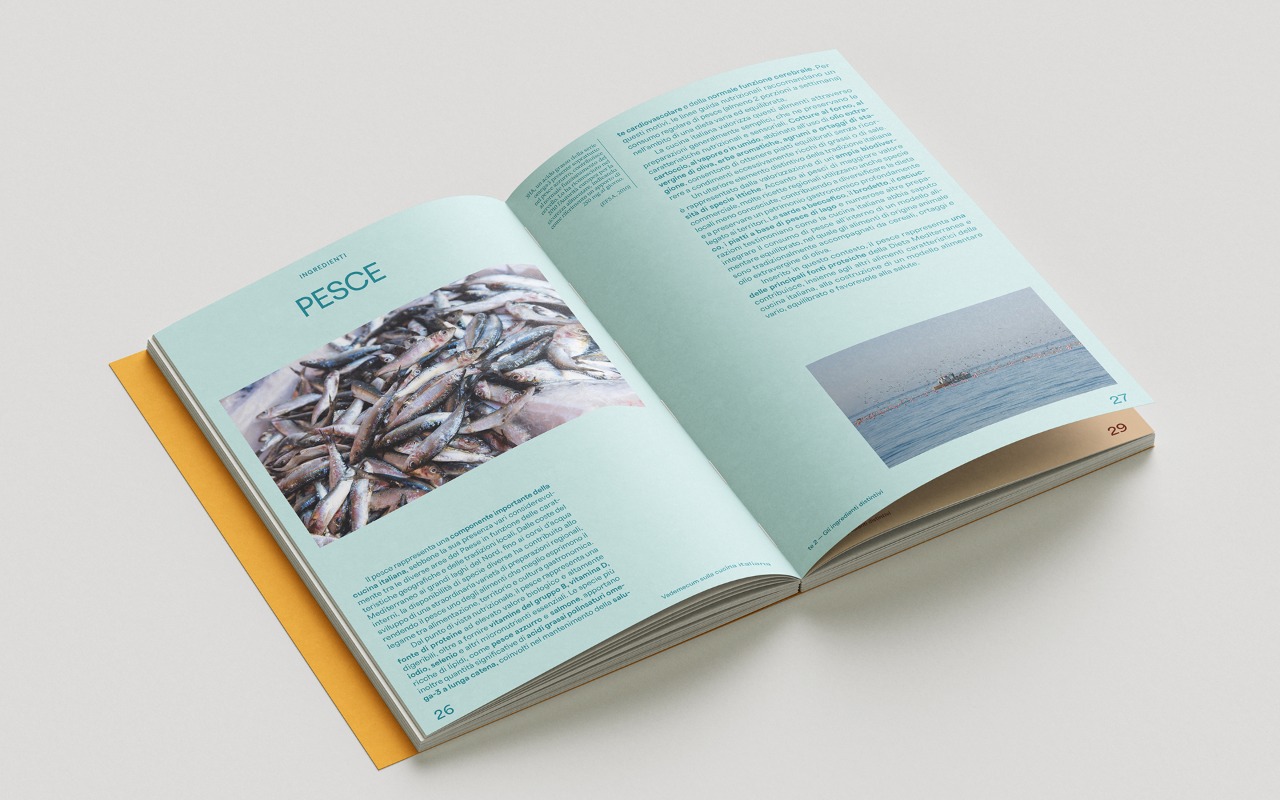
Pasta’s versatility is one of its defining features. Across Italian regional cuisines, it is paired with pulses, vegetables, fish, herbs and extra virgin olive oil.
“Dishes such as pasta with beans or chickpeas, pasta with tomato sauce, pasta with sardines and orecchiette with turnip greens bring together foods from different groups. Pulses complement the protein in cereals; vegetables add fibre and other nutrients. These combinations can make pasta the basis of a varied meal, rather than simply a source of carbohydrates.”
Professor Daniela Martini, Associate Professor of Human Nutrition, Department of Food, Environmental and Nutritional Sciences, University of Milan
The same principle applies to the wider structure of the meal. A balanced diet does not require every course or ingredient to be combined in a single dish. Pasta can be served with vegetables, followed by fruit; or cereals and pulses can be brought together in a soup or one-pot meal. The guide presents both approaches as part of the diversity of Italian cuisine.
Research on pasta and body weight also needs to be read in context. A systematic review and meta-analysis examined pasta within low-glycaemic-index dietary patterns. Across 32 trial comparisons involving 2,448 participants, these diets were associated with a small reduction in body weight compared with higher-glycaemic-index diets. The review found no trials assessing the effect of pasta on its own. Its results therefore describe pasta within a particular dietary pattern, rather than proving an independent effect of pasta. [2]
Observational studies offer further evidence. Analyses of the Moli-sani cohort and the INHES survey found inverse associations between pasta consumption and some measures of body composition. [3] A six-month intervention involving people with obesity compared two reduced-energy Mediterranean diets, one with higher and one with lower pasta consumption. Participants in both groups lost weight, with no significant difference between the two approaches. [4]
These studies do not support the idea that pasta inevitably causes weight gain as sometimes argues. They point instead to the importance of the overall diet, portion sizes and preparation. Italian dietary guidelines suggest 80 grams of uncooked pasta as a serving size for adults, within a varied diet. [5] This is a useful point of reference, not an individual prescription: needs vary according to the person and the meal.
Pasta is also widely accessible. Its affordability has helped make it a regular part of meals across different social groups, and can support access to a balanced diet. Its variety reflects the country’s regional cuisines, agricultural traditions and local ingredients. Fresh and dried pasta, different shapes and recipes adapted to seasonal produce all show how a familiar food can take on different forms while remaining part of a broader dietary model.
“One of pasta’s strengths is its capacity to bring different food groups together in familiar dishes. Paired with pulses, vegetables or fish, it can form part of a varied meal rooted in culinary tradition. To understand its nutritional role, we need to look at the whole meal and the wider dietary pattern.”
Professor Daniele Del Rio, President of the OnFoods Foundation, Full Professor of Human Nutrition, University of Parma
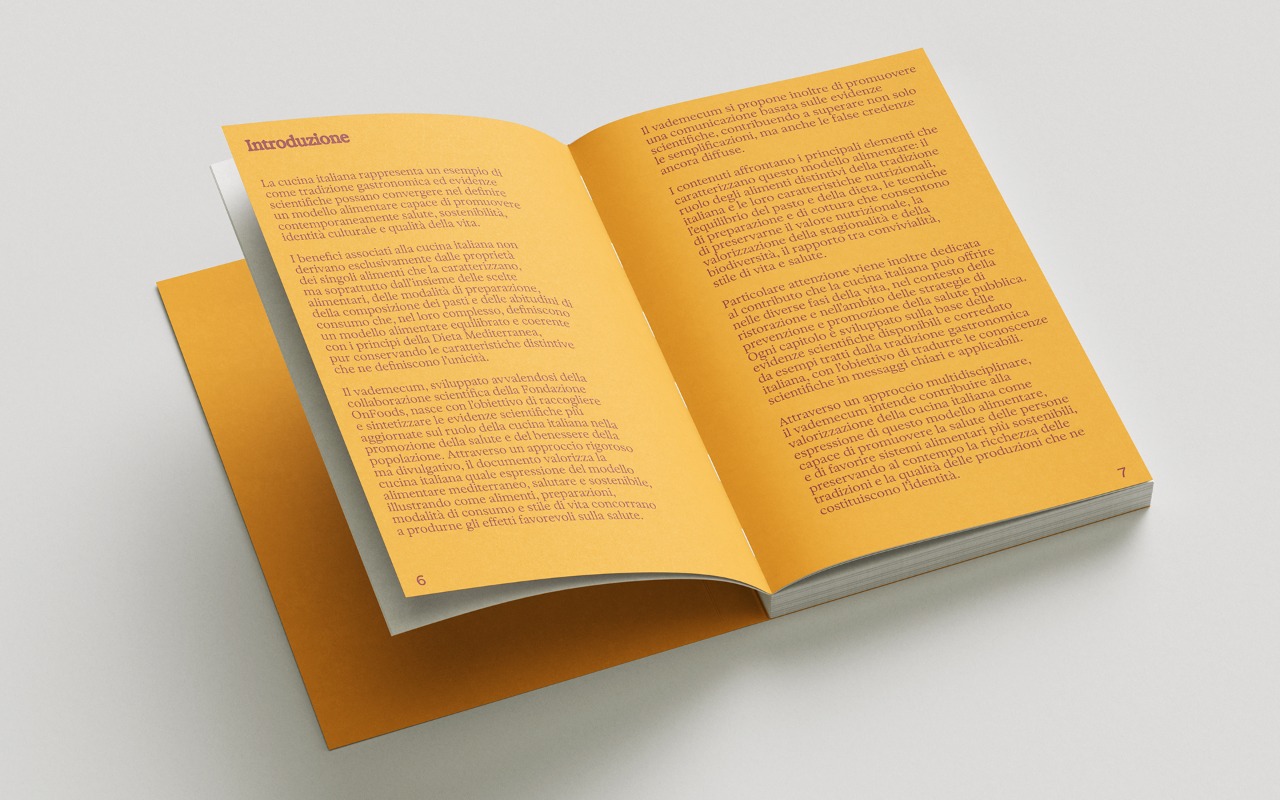
The Handbook on Italian Cuisine uses this same contextual approach throughout. Its purpose is to connect scientific evidence with the foods, recipes and habits that shape everyday eating, while recognising the cultural knowledge and regional traditions that make Italian cuisine distinctive. Pasta offers a clear example of that relationship: its place in the diet is best understood through the meals it helps create.
Selected references
- Scazzina F. et al. “Glycemic index and glycemic load of commercial Italian foods”. Nutrition, Metabolism and Cardiovascular Diseases. 2016;26(5):419–429. https://doi.org/10.1016/j.numecd.2016.02.013
- Chiavaroli L. et al. “Effect of pasta in the context of low-glycaemic index dietary patterns on body weight and markers of adiposity”. BMJ Open. 2018;8. https://doi.org/10.1136/bmjopen-2017-019438
- Pounis G. et al. “Association of pasta consumption with body mass index and waist-to-hip ratio: results from Moli-sani and INHES studies”. Nutrition & Diabetes. 2016;6. https://doi.org/10.1038/nutd.2016.20
- Rosi A. et al. “Body weight of individuals with obesity decreases after a 6-month high pasta or low pasta Mediterranean diet weight-loss intervention”. Nutrition, Metabolism and Cardiovascular Diseases. 2020;30(6):984–995. https://doi.org/10.1016/j.numecd.2020.02.013
- CREA. Guidelines for Healthy Eating. 2018 revision.